
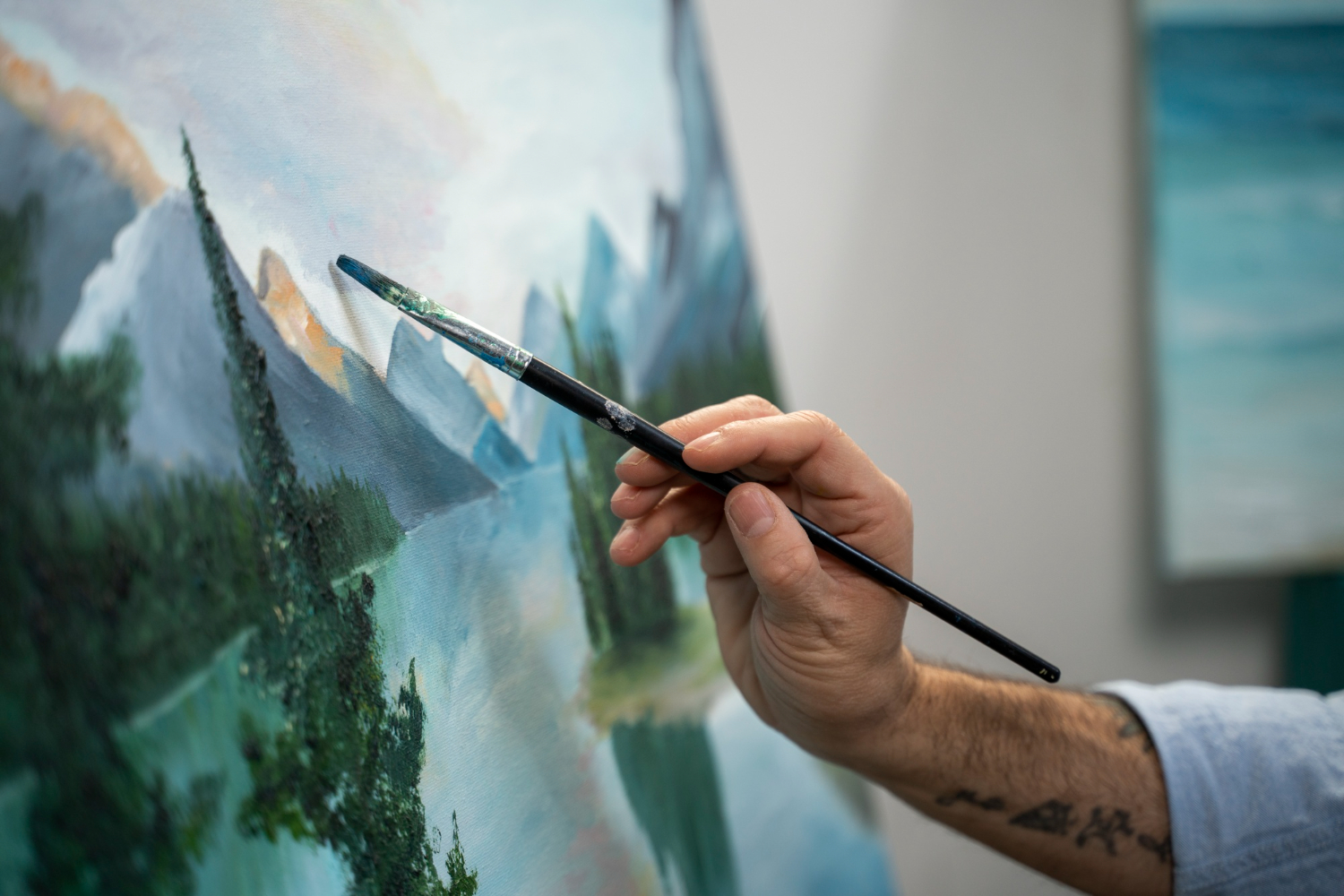
n a world dominated by artificial intelligence, digital design, and mass production, something beautiful is happening: handmade art is making a comeback.
From pottery and embroidery to handmade jewelry, paintings, and knitted creations, people are rediscovering the charm of objects made by hand. While technology offers speed and convenience, handmade art offers something different—creativity, individuality, and a personal connection that machines cannot easily replicate.
But why are people increasingly drawn to handmade creations, and what makes traditional crafts so special in today’s digital age?
1. The Beauty of Imperfection
Unlike mass-produced products, handmade items often contain small imperfections that make them unique.
A slightly uneven ceramic bowl, a hand-stitched pattern, or the texture of a painted canvas tells a story about the person who created it.
These imperfections are not flaws. They are reminders that handmade art comes from human imagination, patience, and effort.
In a world where everything can look perfectly polished, authenticity has become increasingly valuable.
2. A Break From Digital Overload
Our everyday lives are filled with screens, notifications, and digital distractions. Handmade activities offer an opportunity to slow down and reconnect with the physical world.
Painting, knitting, sculpting, and woodworking encourage focus and creativity while providing a refreshing break from technology.
Many people also find that creative hobbies help them relax, reduce stress, and enjoy the satisfaction of making something themselves.
Sometimes, the simple act of working with your hands is exactly what you need.
3. Supporting Independent Artists and Small Businesses
The growing interest in handmade products also creates opportunities for independent artists and small creative businesses.
Online marketplaces and social media allow artisans to showcase their work and connect with customers around the world.
Buying handmade products can help support local creativity, traditional craftsmanship, and independent entrepreneurs.
It also gives customers the opportunity to purchase something more personal than an ordinary mass-produced item.
4. Handmade Art Meets Modern Technology
Interestingly, the return of handmade art doesn’t mean rejecting technology.
Many artists now combine traditional techniques with digital tools. They use social media to promote their creations, online tutorials to learn new skills, and digital design software to experiment with ideas.
Technology has become a bridge between traditional craftsmanship and modern audiences.
The result is a creative world where handmade and digital art can coexist and inspire one another.
5. Rediscovering the Joy of Making Things
One of the most rewarding aspects of handmade art is the creative process itself.
You don’t need to be a professional artist to enjoy making something with your hands.
Start with simple activities such as:
- Painting or sketching in a notebook.
- Creating handmade greeting cards.
- Trying basic embroidery or knitting.
- Making pottery or air-dry clay decorations.
- Upcycling old clothes or household items.
The goal isn’t perfection. It’s about experimenting, expressing yourself, and enjoying the process.
The Human Touch Still Matters
The digital world continues to transform how we create, communicate, and experience art. Yet the growing appreciation for handmade creations shows that traditional craftsmanship still has an important place in modern life.
People aren’t simply buying handmade products; they’re embracing the stories, creativity, and human effort behind them.
In a world where almost everything can be produced instantly, taking the time to make something by hand feels especially meaningful.
Perhaps that’s the true beauty of handmade art: it reminds us that creativity isn’t just about the finished product. It’s about the human touch, the process, and the joy of creating something uniquely our own.